
Bat Removal in London, Ontario
London Wildlife removes bats from attics, walls and roof lines in London, Ontario, using humane exclusion. Bats leave through one-way exclusion devices and can’t get back in, then we seal the gaps they used. Work is timed around bat maternity season to follow Ontario rules. Call 226-271-5510 to book a bat inspection.
Signs You Have Bats in Your Attic or Walls
Bats are small and quiet, so many London homeowners live with a colony for years before noticing. Watch for:
- Bats leaving the roof line at dusk. Stand outside at sunset and watch the eaves, gables, chimney flashing and roof peaks.
- Guano (bat droppings). Small, dark, crumbly pellets that collect below entry points, on window sills, on the deck or in the attic insulation. Unlike mouse droppings, they crumble into a shiny powder when crushed.
- Dark, greasy rub marks around small gaps where bats squeeze in and out.
- Squeaking, chirping or scratching in walls or the ceiling, especially around dusk and dawn.
- A strong ammonia smell from built-up guano and urine.
- A bat inside the house, often in late summer when young bats get lost.
Why Bats Choose London Homes
London’s river valleys, ponds, parks and wooded ravines produce plenty of insects. Bats feed on them at night, then need a warm, protected place to roost during the day. Attics, wall cavities and the space behind siding or fascia stay warm and dark, which is ideal for raising young. Bats can fit through a gap as small as about 6 mm (a quarter inch), so even well-kept homes can have them. Once a colony settles, bats return to the same building every year.
Where Bats Get Into London Homes
Bat-proofing only works if every opening is found. The entry points we find most often:
- Ridge vents and roof peaks, where the cap meets the shingles
- Gable vents with torn or missing screens
- Fascia and soffit gaps, especially at roof corners and returns
- Chimney flashing and the gap between the chimney and siding
- Behind aluminum or vinyl siding, where it meets windows, doors and corners
- Attic louvres, exhaust vents and dryer vents without proper covers
- Gaps around pipes, wires and utility lines entering the building
- Older brick homes with deteriorated mortar near the roof line
Because bats fly to the opening rather than chewing their own, sealing the whole envelope matters more than closing any single gap.
Bat Species Around London and Their Protection
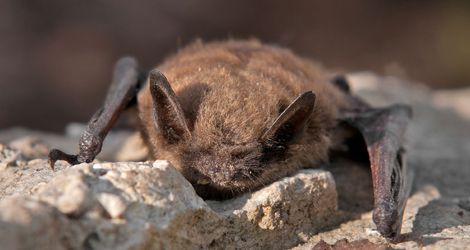
The bat most often found in London homes is the big brown bat. Seven Ontario bats, including the little brown myotis, northern myotis and tri-coloured bat, are listed as endangered under Ontario’s Species Conservation Act, 2025, after severe losses to white-nose syndrome. The big brown bat isn’t listed, but all bats are specially protected under the Fish and Wildlife Conservation Act. Because protected species can roost in buildings, bats have to be removed with humane exclusion, never killed or trapped, and the work must be timed so young aren’t trapped inside.
How Our Bat Exclusion Works
1. Inspection. We inspect the full exterior from the roof down, including ridge vents, gable vents, soffits and fascia, chimney flashing, siding gaps and the roof line. We find the active exits, then check the attic for guano and roost sites. Every home is different, so we inspect first and give you an exact quote before any work starts.
2. Sealing secondary gaps. Bats use many small openings. We seal the gaps they could use while leaving the main exits open, so the colony is funnelled to the exclusion devices.
3. Installing exclusion devices. One-way devices, such as tubes or netting, go over the active exits. Bats leave at dusk to feed and can’t find their way back in. Nothing harms the bats.
4. Confirming the building is empty. We leave the devices in place long enough for every bat to leave. That’s usually several nights of suitable weather.
5. Final sealing and follow-up. We remove the devices and permanently seal the last openings, then follow up to make sure no bats are getting in. The follow-up visit is included, usually about two weeks later, once activity stops. Our 5-year guarantee covers the entry points we seal.
When Can Bats Be Removed? Timing and Maternity Season
Timing is the single most important part of bat removal:
- Spring (before pups are born): a good window for exclusion once bats are active and nights are warm enough for them to feed.
- Summer maternity season (roughly June to mid-August): females give birth to pups that can’t fly for several weeks. Excluding bats then would trap the young inside, so exclusion is normally held off until the pups can fly.
- Late summer to early fall: once the young are flying, this is usually the best window to exclude a colony and seal the home before winter.
- Winter: some big brown bats hibernate in buildings. Exclusion usually waits until they’re active again, but we can inspect and plan the job.
If you find bats in summer, call anyway. We’ll inspect, confirm the timing and book the exclusion for the earliest safe window.
Bat Health Concerns
- Rabies. Only a small share of bats carry rabies, but bat bites can be tiny and go unnoticed. If anyone may have had contact with a bat, or a bat is found in a room where someone was asleep, or with a young child or someone who can’t say whether they were bitten, contact the Middlesex-London Health Unit or a health care provider right away. If it’s safe, keep the bat contained for testing without touching it bare-handed.
- Guano. Built-up bat droppings can grow a fungus linked to histoplasmosis, a lung infection. Don’t sweep or vacuum guano without proper protection.
- Odours and staining. Urine and guano soak into insulation and drywall over time.
Guano Clean-Up After Bats
Once the bats are out and the building is sealed, built-up guano should come out too. We offer attic and guano clean-up: we remove droppings and soiled material and clean the affected area, wearing the right protective equipment. Clean-up is quoted after the inspection. Learn more: Attic Clean-Up.
What to Do If a Bat Gets Inside Your Home
- Stay calm and keep people and pets out of the room.
- Close interior doors and open a window or exterior door. The bat will often leave on its own at dusk.
- Don’t swat it or touch it bare-handed.
- If there’s any chance of contact, contact the Middlesex-London Health Unit or your health care provider.
- A bat in the living space often means there’s a colony in the attic or walls. Book an inspection so we can find how they’re getting in.
How Much Does Bat Removal Cost in London?
Most wildlife removal jobs in London cost about $700 to $2,000+, plus HST, and a typical bat job falls within that range. Exclusion work usually starts around $700, and very small jobs can cost less. Large homes that need feces clean-up and extensive exclusion work commonly reach $1,500 to $2,000 or more. Every home is different, so we inspect first and give you an exact quote before any work starts.
What changes the price of a bat job:
- Size of the home and how many gaps need sealing
- Roof height and pitch, and access to ridge and gable vents
- Number of exclusion devices needed
- Season, because exclusion waits until pups can fly
- Guano clean-up, if the attic needs it
The price includes the follow-up visit to remove the one-way doors, and the sealing work is backed by our 5-year guarantee on the entry points we seal. See the full price guide: Wildlife Removal Cost in London.
Bat Removal Across London, Ontario
We serve homes and businesses throughout the City of London, Ontario, including Byron, Masonville, Hyde Park, Lambeth, Old North, Old South, Westmount, Wortley Village, Oakridge, White Oaks and Argyle. We work within London only. Not sure if we cover your street? Call 226-271-5510, Monday to Friday, 8:30 a.m. to 5 p.m.
Why Choose London Wildlife for Bat Removal?
- Serving London, Ontario homes and businesses
- Humane exclusion that follows Ontario’s rules for protected bats
- Eco-friendly approach with no chemical sprays
- Thorough whole-building sealing
- Accurate estimates and follow-up service
- Homes and businesses
- 5+ years in business
- 5-year guarantee on the entry points we seal
- Follow-up visit included in the price
Bat Removal FAQs
Are bats protected in Ontario?
Yes. Seven Ontario bat species, including the little brown myotis, northern myotis and tri-coloured bat, are listed as endangered under Ontario’s Species Conservation Act, 2025, and all bats are specially protected under the Fish and Wildlife Conservation Act. Bats in buildings should be removed with humane exclusion, timed so young aren’t trapped, rather than killed or trapped.
When is the best time to remove bats from a home?
Usually late summer to early fall, once young bats can fly, or in spring before pups are born. During summer maternity season (roughly June to mid-August), exclusion is normally held off so flightless pups aren’t trapped inside. An inspection sets the right timing for your home.
What are the signs of bats in my attic or walls?
Look for small, dark, crumbly droppings under entry points or in the attic, greasy rub marks around small gaps, and squeaking or scratching around dusk. Watching the roof line at sunset is the easiest way to confirm bats are leaving your home.
What should I do if a bat gets inside my living space?
Keep people and pets away, close interior doors and open a window so it can leave. Don’t touch it bare-handed. If anyone may have had contact with the bat, or it was in a room where someone was sleeping, contact the Middlesex-London Health Unit or a health care provider.
How long does bat exclusion take?
Installing exclusion devices and sealing secondary gaps usually takes one visit. The devices then stay up for several nights of good weather while every bat leaves, and we return to remove them and complete the final sealing.
Can I get rid of bats myself?
It isn’t recommended. Bats use many small gaps, protected species may be present and the timing rules are strict. Blocking holes at the wrong time can trap bats inside, where they die or end up in your living space. Professional exclusion handles timing and sealing properly.
How much does bat removal cost in London, Ontario?
Most wildlife removal jobs in London cost about $700 to $2,000+, plus HST, and a typical bat job falls within that range. Very small jobs can cost less, and large homes that need clean-up and extensive exclusion work can cost more. Every home is different, so we inspect first and give you an exact quote.
Will bats come back after exclusion?
Bats return to familiar roosts every year, so they will try. Once every gap is sealed, they can’t get back in and will roost elsewhere. That’s why we seal the whole building, not just the main exit, and come back for the included follow-up visit. Our 5-year guarantee covers the entry points we seal.
Do bats leave the attic on their own in winter?
Some do and some don’t. Many bats migrate or move to caves and mines for winter, but big brown bats can hibernate inside buildings. Even if the attic seems quiet in winter, the colony will usually return in spring unless the home is sealed.
Book Bat Removal in London
Seeing bats at dusk or finding droppings? Call London Wildlife at 226-271-5510 or request a quote online. We’ll inspect, plan the right timing and exclude the bats humanely.